Celiac Disease, Gluten Allergy, Recurrent Miscarriage and Infertility:
Celiac disease is a chronic inflammatory disorder of the intestine with varying degrees of gluten intolerance and may be associated with recurrent miscarriage and infertility. Gluten insensitivity or allergy may not cause significant intestinal inflammation as in the case of celiac disease and its impact on fertility is most likely not significant. Common complaints with celiac disease include abdominal discomfort, diarrhea, malabsorption, fatigue, weight loss and pelvic pain.
Pelvic pain is a relatively common complaint in reproductive age women and can be associated with endometriosis, fibroids or pelvic inflammation, which are common causes of infertility and recurrent miscarriages. Women who present with pelvic pain may have a “negative gynecological work up” which may suggest gastrointestinal disease in some of these patients. In such cases, women need to be screened for celiac disease which may explain chronic pelvic pain in addition to other intestinal problems. Once celiac disease is diagnosed with serum markers and endoscopic evaluation, eliminating gluten from the diet has been proven to improve gastrointestinal symptoms, “gynecological pelvic pain” and overall outcome. Read more →
Failed IVF cycle: What’s next?
It’s frustrating to get the “negative beta” call from the IVF coordinator/doctor after taking injections for a few weeks, undergoing egg retrieval, and embryo transfer. Whereas most IVF failures are due to the abnormalities of the embryos transferred, other variables have to be carefully looked at prior to the next attempt.
Both the embryo and the uterine cavity/endometrium have to be in optimal condition, but not necessarily perfect every time for a successful outcome. The uterine cavity may have minor problems or the embryo not in perfect condition under the microscope, but a healthy pregnancy can still be expected. The other way around is also true when everything looks “perfect” and the outcome is negative, which is confusing to most patients and sometimes even to doctors. Read more →
Egg Freezing No Longer Experimental
American Society for Reproductive Medicine (ASRM) announced today that there is now enough medical evidence to suggest that egg freezing is no longer an experimental technique for fertility preservation. The change in the labeling of egg freezing will most likely expand this option to more women considering fertility preservation.
Egg freezing has been around since late 1980s, but the techniques have not been perfected until mid-2000s. The success rates following egg freezing were low and ranged from 5-30% due to poor egg freezing and thawing techniques and lack of understanding of the metabolic changes in the egg, and therefore limited number of cases were published in the literature. Based on most recent studies including ours (http://www.laivfclinic.com/eggfreezing), success rates have significantly improved and healthy children have been born throughout the world. The risk of birth defects and chromosomal abnormalities has been reported to be similar in children born from frozen eggs compared to the general population. Read more →
Is amniocentesis becoming obsolete for Down’s syndrome screening?
A recently developed test called the Materni21 allows non-invasive screening for Down’s syndrome during early pregnancy simply from a blood draw from the mother. The test is being evaluated further by clinical trials for its reliability and accuracy, but the initial studies report promising results.
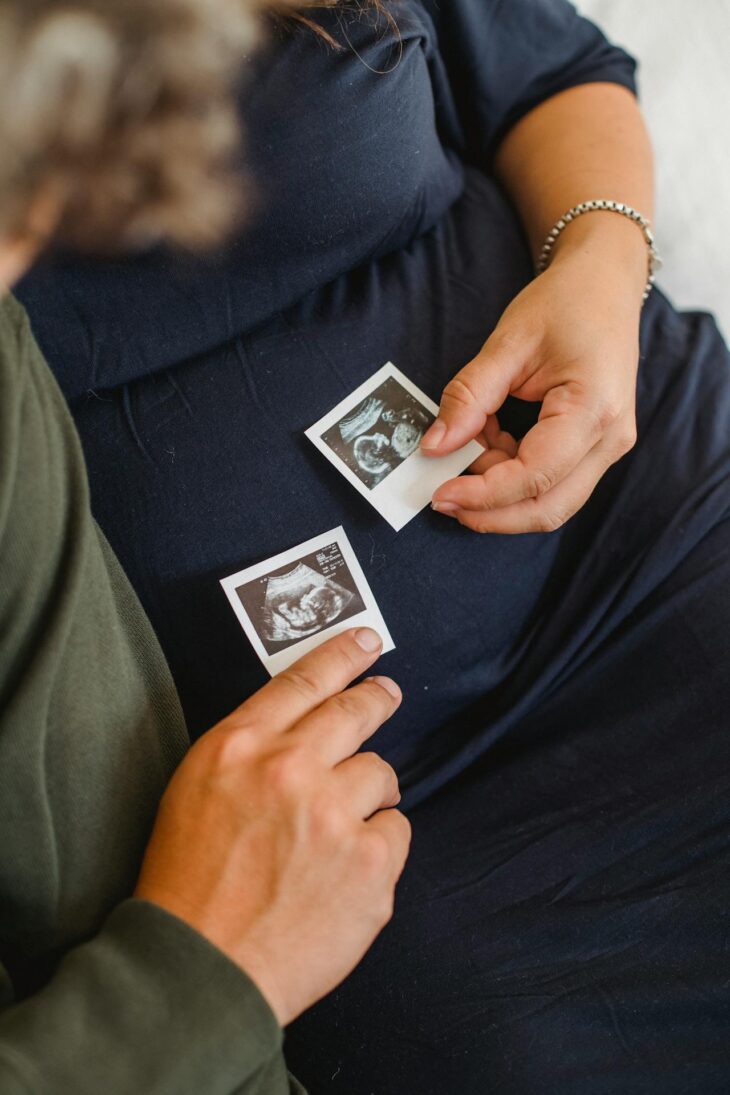
It appears that fetal DNA is detectable in the maternal blood and can be used for Down’s syndrome (Trisomy 21) screening. Blood is drawn any time after 10 weeks of pregnancy and fetal DNA is purified and analyzed to determine whether it is in the expected range similar to a normal pregnancy or increased in its DNA content which would suggest Down’s syndrome. The results are available within 7-10 days and if the test is positive, chorionic villus sampling (CVS) or amniocentesis is recommended for definitive diagnosis. Read more →
Prevention of OHSS in patients with PCOS undergoing IVF
Patients with ovarian hyperstimulation syndrome (OHSS) typically present with ovarian distention, pelvic pressure and fluid build-up in the pelvic area commonly associated with ovarian stimulation or In Vitro Fertilization (IVF). Whereas most cases of OHSS are mild in nature, 1-2% of the time symptoms can be severe, limiting activity, requiring pain management and even hospitalization. Severe OHSS is more common in young patients undergoing IVF treatment and patients with polycystic ovary syndrome (PCOS). The best treatment of OHSS is prevention and identification of high risk patients. Once such patients are identified, individualized protocols and close follow up can prevent severe OHSS in most cases.
Patients with PCOS typically present with ovulation disorder (irregular menstrual cycles) and have high number of antral follicles that can be stimulated even with low dose FSH medications which can result in significant ovarian distention and OHSS. Individualized protocol design is the key to minimize side effects and severe OHSS. In most cases, a “step up” type of protocol can be used in which a low dose of FSH is started and adjusted based on response and estrogen levels. Read more →
Prenatal Testing for Chromosomal Abnormalities
Prenatal diagnosis of fetal chromosomal abnormalities has evolved significantly over the last 30 years. In the early days of fetal testing, amniocentesis or chorionic villus sampling (CVS) was used to obtain fetal cells to determine the genetic make-up of the fetus and more recently small amounts of DNA can now be examined for the diagnosis of various fetal disorders.
Amniocentesis has been around more than 60 years to diagnose fetal abnormalities and allows genetic testing of fetal cells obtained from the amniotic fluid. Today, it is still one of the most commonly used methods to diagnose Down’s syndrome or other chromosomal and genetic disorders during pregnancy. It’s typically performed between 15-18 weeks of gestation and considered to be over 98% accurate. If a genetic abnormality or Down’s syndrome is detected, a second trimester termination is typically offered immediately following diagnosis. Read more →
DES Exposure, T-Shaped Uterus and Failed IVF Cycles
Diethylstilbestrol (DES) was developed in the late 1930s and prescribed to women at risk for having miscarriages and preterm labor. DES is a synthetic estrogen and acts biologically similar to currently available estrogenic compounds. It was initially reported to improve pregnancy outcome, but later studies did not report any difference, but despite such evidence, its use continued until it was banned in the US in 1971.
It was noted that daughters of women who took DES during early pregnancy had an unusual type of vaginal cancer at young ages. Additionally, abnormalities of the cervix, vaginal cavity and structural problems of the uterus were reported. Approximately, 70-80% of women exposed to DES in-utero have some form of an abnormality in their uterus and the most commonly encountered problem is called a T-shaped uterus. Women exposed to DES are at risk for having miscarriages, preterm labor, ectopic pregnancy, vaginal cancer and cervical incompetence. Read more →
Tubal Reversal: One or Both Tubes?
It is considered ideal if both tubes are re-connected (bilateral re-anastomosis) during tubal reversal surgery, but in some cases this may not be possible. Patients with a history of unilateral salpingectomy (removal of one of the fallopian tubes), one sided tubal damage or with a blocked tube, very short tubal segment, unilateral salpingo-oophorectomy (removal of the tube and ovary on the same side) and dense pelvic adhesions followed by tubal ligation, may not be candidates for bilateral (both sides) tubal reversal.
In such cases, unilateral (single sided) tubal reversal is performed. Based on the medical literature, the pregnancy rates are similar in patients who had tubal reversal of one or both tubes. It is interesting that if ovulation occurs from the ovary without the fallopian tube, pregnancy is still possible because the other healthy tube can pick up the egg from the pelvis that can result in a healthy pregnancy. One sided tubal reversal is considered a viable option for women who are considering expansion of their family. Read more →
Sclerotherapy for Treatment of Endometriomas
In the era of assisted reproductive technology (ART), there are two reasons for the treatment of endometriosis. The first is to alleviate symptoms of pain. The second is in preparation for In Vitro Fertilization (IVF). Conventional surgical treatment of ovarian endometriosis involves either an abdominal incision or laparoscopic drainage of the cyst contents with subsequent removal of the cyst wall. Unfortunately, in many cases, normal ovarian tissue is inadvertently removed along with the cyst wall, which may decrease the number of available oocytes for subsequent fertility treatment. A large percentage of such women have advanced stage disease and have had multiple previous surgeries. Read more →
Dilatation and Curettage
Dilation and curettage (D and C or D&C) is a minor gynecological procedure commonly used to diagnose and treat abnormal bleeding from the uterus or to remove unhealthy tissue if a woman has a miscarriage. It can also be used to diagnose uterine cancer or precancerous cells (endometrial hyperplasia) by removing the endometrial cells for pathological evaluation.
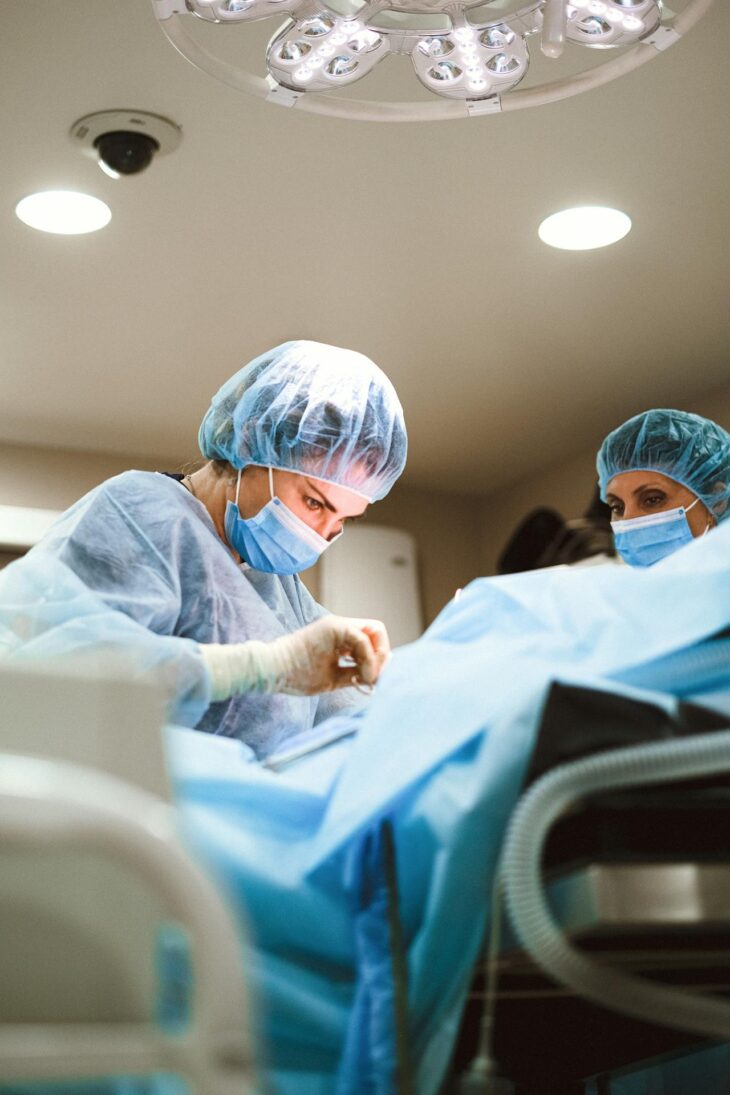
D&C can be performed in the doctor’s office, at a surgical center or at the hospital. It typically takes 10—20 minutes to complete the procedure and the duration depends on the indication and difficulty. If it’s done for diagnostic purposes, the procedure is very short, but it can take longer in cases of late miscarriages when more tissue needs to be removed. The risks of the procedure are rare, but include bleeding, pain, infection and rarely perforation of the uterus (instrument puncturing through the muscle layer of the uterus). Antibiotics are commonly administered during the procedure and patients are observed in the recovery room before discharging home. Read more →